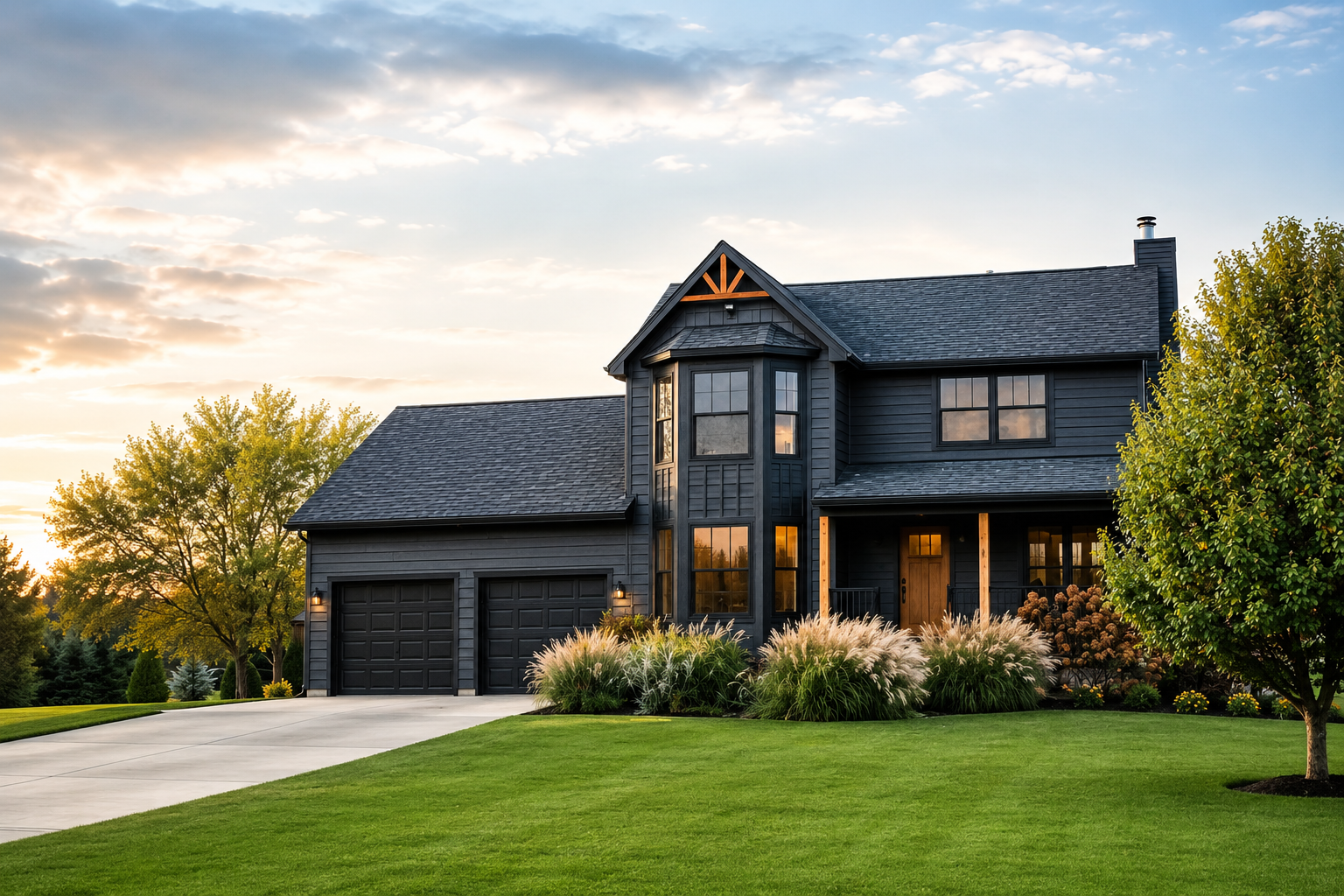
Is Your Roof Ready to Survive a Brutal Northwest Indiana Winter?
Winter doesn't usually create roof problems. It finds the ones that are already there. A shingle seal that broke in a July windstorm, a gutter that's been sagging since spring, attic insulation that was never quite enough. Freeze and thaw cycles, ice at the eaves, and wet snow sitting on the roof for weeks turn those small problems into leaks.
Which weak spots your roof has depends a lot on when your house was built and what's around it. After years of inspecting roofs across Lake, Porter, and Jasper counties, the patterns are pretty consistent.
What this winter could bring
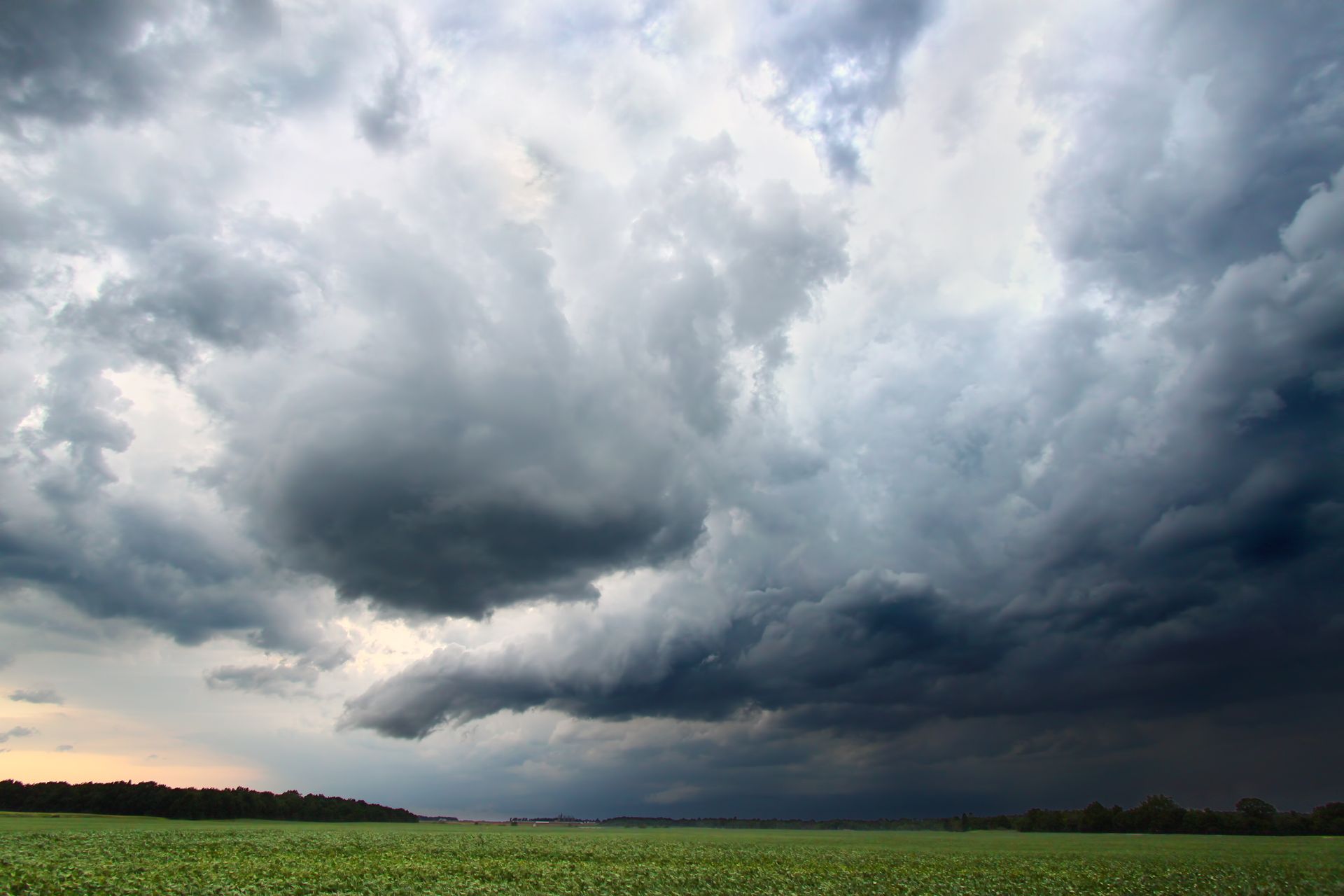
The Farmers' Almanac 2026-2027 winter outlook for the Great Lakes and Midwest doesn't call for a record-breaking winter. It calls for something that can be harder on a roof: temperatures that average out near normal, broken up by quick-hitting clipper systems, abrupt cold snaps, snow squalls that come up fast, and short blasts of bitter cold, with milder stretches in between.
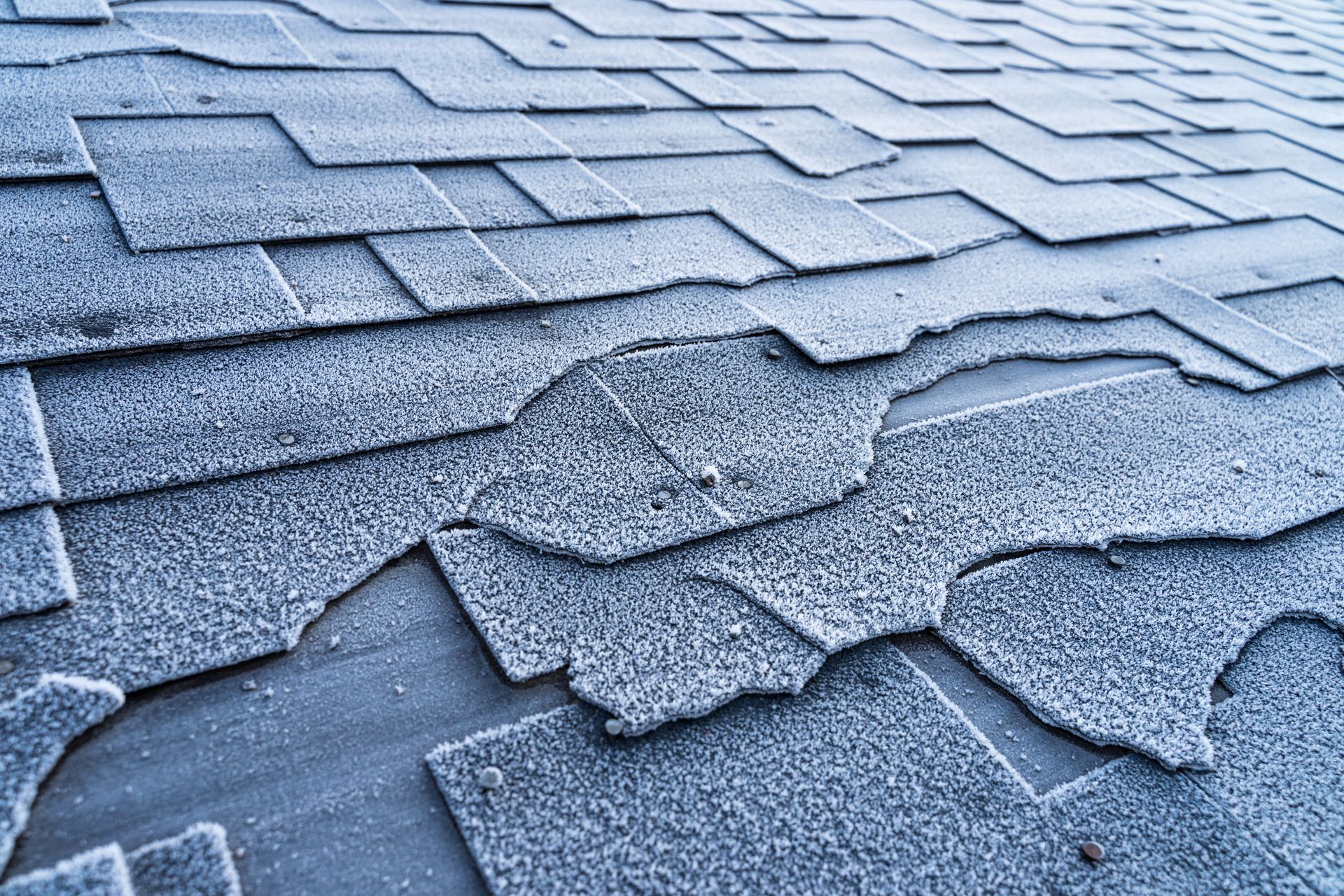
That back-and-forth is what wears roofs out. Every time snow melts on a mild afternoon and refreezes overnight, water works a little deeper into cracked shingles, lifted edges, and gaps in the flashing, then expands as it freezes. On a roof with poor attic ventilation or clogged gutters, that meltwater refreezes at the eaves and builds ice dams. A winter that stays cold is hard on a roof. A winter that keeps swinging between cold and mild is often harder.
Homes built in the 1990s and 2000s: roofs at the end of their rating
The builder-grade shingles that went on most homes in the 1990s and 2000s were rated for 20 to 25 years. A lot of Northwest Indiana is reaching that line right now. The median home in Dyer was built in 1993. In Winfield it's 2002, and roughly a third of the town went up between 2000 and 2009. Lowell and Schererville follow the same pattern, with big waves of construction in the 90s and 2000s.
Shingles at this age get brittle. They crack instead of flex in the cold, and wind damage from summer storms (seals that broke without anything visibly moving) starts letting water in once snow melts and refreezes on the roof. If your home still has its original roof from that era, this is the winter to get it looked at, even if it looks fine from the driveway.
Mid-century and older homes: layers, decking, and ventilation
Older homes have a different problem. Most have been roofed two or three times, and each round left something behind. The median home in Gary was built in 1957, and in Rensselaer it's 1956. On houses that age, the questions are how many layers of shingles are up there, what shape the decking is in, and whether the attic ventilation was ever brought up to modern standards.
Poor ventilation is what turns an older roof into an ice dam roof. Heat escapes into the attic, melts snow on the roof, and the water refreezes at the cold eave. Griffith is full of Cape Cods where this happens every winter, because living space sits right up under the roof with only a shallow pocket for insulation. In Highland, where the main building wave dates to the 1970s, we see plenty of long-owned homes where nobody has been on the roof in twenty years.
Don't forget the low-slope sections. Porches, additions, and garage roofs on homes in places like Lake Station often wear out well before the main roof, and snow sits on them longer.
Homes under mature trees
Big trees are one of the best things about towns like Munster, Lakes of the Four Seasons, and the Deep River side of Hobart. They're also hard on roofs. Shade keeps shingles damp, which feeds moss and algae. Limbs come down in windstorms. And every fall, leaves pack the gutters.
That last one matters most for winter. A clogged gutter can't drain meltwater, so it backs up under the shingle edge and freezes there. That's how a lot of ice dams start. Cleaning gutters after the leaves drop, or installing gutter guards, is one of the cheapest ways to protect a roof through the winter.
Lake-effect country
Towns near the lake get more snow, and heavier snow, than towns twenty miles south. In Chesterton, wet lake-effect snow loads the roof, and the melt and refreeze cycle behind every storm builds ice at the eaves. Roofs here need good attic ventilation and an ice barrier at the eaves more than anywhere else in the region. If your roof went on without an ice barrier, it's worth knowing before January.
Homes in open country
Out where the subdivisions meet farmland, the roof's biggest enemy is wind. In Kouts and Hebron, wind crosses open fields with nothing to slow it down. It lifts shingle edges and breaks the adhesive seals underneath, and the shingle settles back down looking normal. You won't see it from the road. You'll see it when a winter thaw finds the gap.
If your area took a hard storm this summer, and 2026 was one of the worst storm seasons Northwest Indiana has seen, that's reason enough to have the roof checked before winter sets in.
What to do before the first hard freeze
A few things every homeowner can do, whatever the age of the house:
- Clean the gutters after the leaves are down, and make sure downspouts carry water away from the foundation.
- Look for dented gutters or downspouts. After a hailstorm, they're often the first sign the roof took hits too.
- Check the attic on a cold day. Frost on the underside of the roof deck or damp insulation points to ventilation problems.
- Know how old your roof is. If you don't know, that's worth finding out.
For the specific warning signs to look for, see our post on 5 signs your home needs a new roof before winter.
Get a free roof inspection before winter
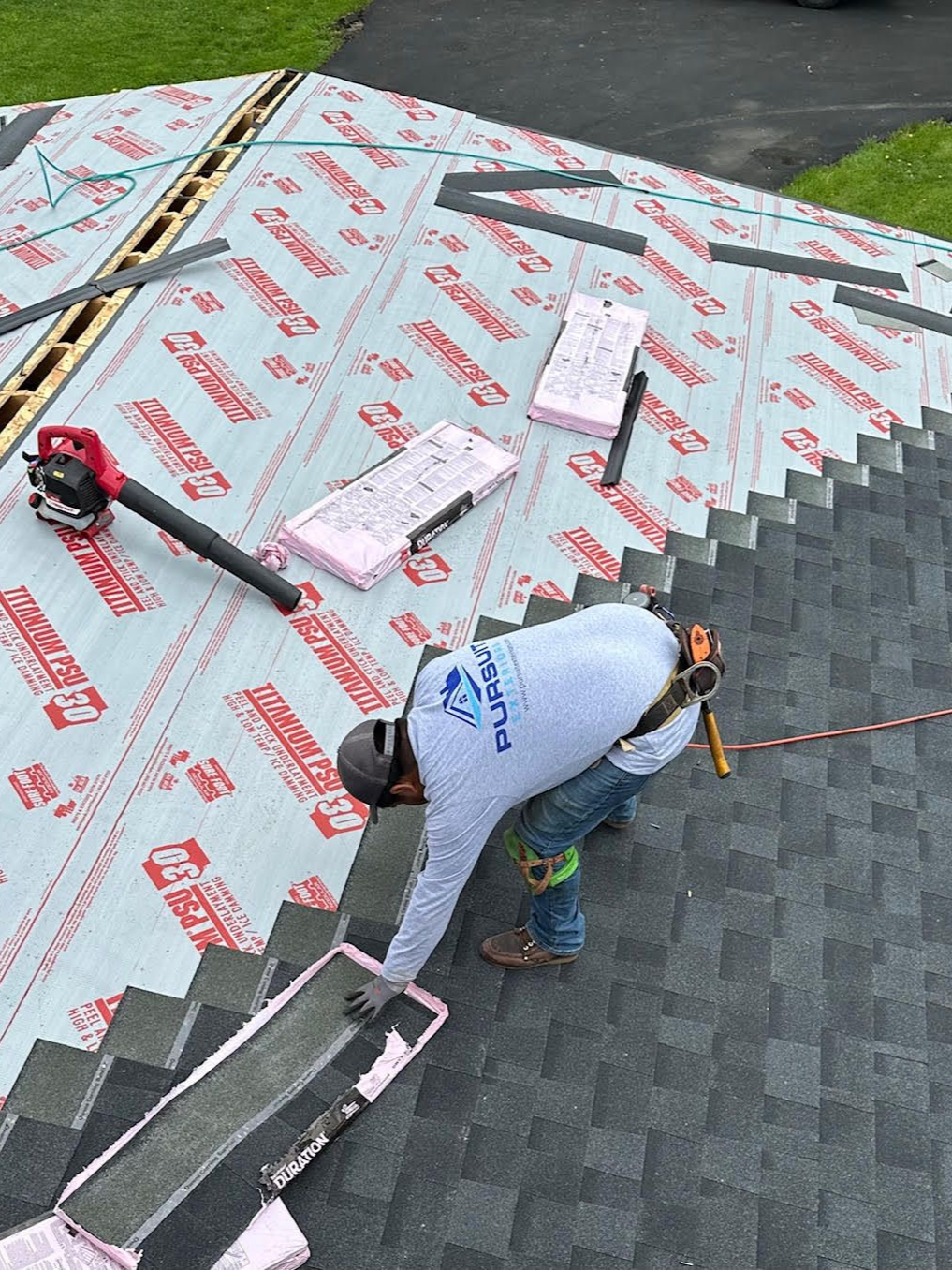
Pursuit Exteriors is a family owned, Owens Corning Preferred Contractor based in DeMotte. We inspect roofs across Northwest Indiana for free, and we'll tell you honestly whether yours needs a repair, a replacement, or nothing at all this year. Call 219-779-2169 or request a free estimate.